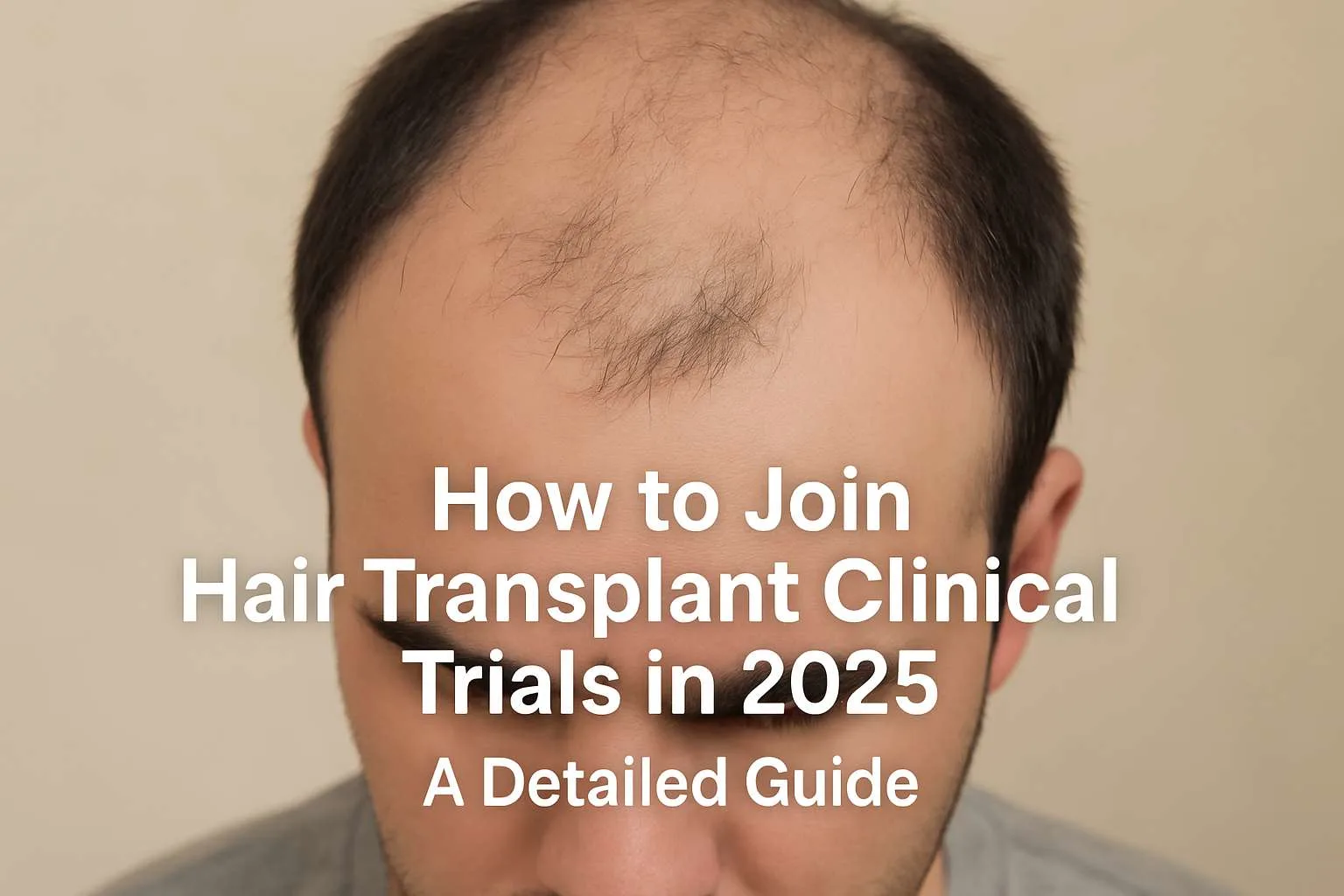
Hair loss affects millions of men and women globally, and in 2025, the field of hair restoration is rapidly evolving. As researchers explore innovative solutions—from regenerative medicine and gene therapy to advanced surgical implants—clinical trials have become a vital pathway for accessing breakthrough treatments. Participating in these trials not only offers individuals early access to experimental procedures but also contributes to scientific progress that can benefit future generations. Whether you’re experiencing early-stage hair thinning, long-term alopecia, or considering an alternative to traditional transplants, joining a clinical study could be a practical step. This guide walks you through the process—from finding available trials to understanding eligibility, procedures, and ethical safeguards—so you can make confident and informed decisions.
What Hair Transplant Trials Cover & Who They’re For
Hair transplantation involves relocating hair follicles from a donor area—typically the back of the scalp—to thinning or bald regions. Trial designs include studies on advanced surgical techniques like follicular unit strip surgery (FUSS), follicular unit extraction (FUE), and innovative adjuncts such as platelet-rich plasma (PRP), stem cell injections, or low-dose growth factor therapies. A recent phase II trial tested intradermal injections at multiple scalp sites over 12 weeks to assess hair density and tolerability. Participants typically include adults aged 18–55 with stable androgenetic alopecia, sufficient donor hair, and no prior transplants within two years.
Finding Ongoing Trials
- Public Clinical Trial Registries
Platforms like ClinicalTrials.gov, Clinical Trials Registry – India, the UK NHS gateway, and others list active trials. You can filter by condition (e.g., “hair loss” or “androgenetic alopecia”) to find relevant studies in your region. - Academic & Private Clinics
Institutions such as Mayo Clinic, Johns Hopkins, and university dermatology departments often conduct PRP and transplant technique trials and provide detailed recruiting info on their websites. Reputable sites connect you directly with research teams for enrollment queries. - Specialist Networks & Patient Advocacy Groups
Organisations like the International Society of Hair Restoration Surgery (ISHRS) index studies and ethics webinars, and groups such as the National Alopecia Areata Foundation maintain lists of experimental and interventional options.
What to Consider Before Joining
Eligibility Criteria
Trials require specific characteristics—age, hair loss type, time since last treatment, and general health—ensuring consistent and reliable results.
Safety & Ethical Oversight
Studies must follow ethical protocols, be approved by Institutional Review Boards (IRBs) or ethics committees, incorporate informed consent, and allow withdrawal at any time.
Potential Benefits & Risks
While some participants may see hair regrowth, benefits aren’t guaranteed. Risks can include side effects, discomfort, and logistical demands. Transparent consent ensures you are informed.
Step-by-Step Participation Guide
- Locate a Suitable Trial
Use registries and clinic portals to narrow down options. Check the recruitment status and contact information. - Contact the Study Team
Reach out to coordinators or principal investigators via email or phone provided on listings. - Initial Screening
Expect a questionnaire about medical history, hair loss progression, current treatments, and any prior hair procedures. - In-Person Screening Visit
This typically includes reviewing informed consent, diagnostic exams (photo-trichoscopy, blood tests), eligibility confirmation, and baseline assessments. - Trial Procedures
Depending on the trial, you may undergo:
- Surgical grafting (e.g., FUE or FUSS)
- Injectable regimens (PRP, growth factors, cell/bead therapies)
- Imaging assessments (TrichoScan hair counts)
- Follow-up visits to check safety and efficacy
- Surgical grafting (e.g., FUE or FUSS)
- Monitoring & Remuneration
Expect periodic assessments of hair density, side effects, and bloodwork. Some trials reimburse travel, though not always.
Post-Trial Follow-Up
After completing the active phase—often 12 weeks to several months—many trials include long-term monitoring for new hair growth trends or delayed reactions. You’ll receive results summaries and may be offered standard treatments post-study.
Choosing the Right Trial for You
Align With Your Goals
Decide whether your focus is on permanent grafts, growth stimulation, or minimally invasive boosters.
Evaluate Safety & Protocol
Review who conducts the study, oversight mechanisms, participant experiences, and ethical transparency.
Consider Location & Timeline
Frequent clinic visits (e.g., thrice weekly injections) may suit some better than surgical procedures. Review time commitments.
Why Healthy Recruitment Matters
Recruitment delays—due to strict criteria, geographic limits, or low awareness—can slow progress in bringing better hair loss solutions to market. Your participation can have broader impact.
Understanding the Purpose of Hair Transplant Clinical Trials
Clinical trials are designed to evaluate new approaches for managing or reversing hair loss. These may include non-surgical treatments like topical solutions, oral medications, or injectables, as well as surgical advancements involving new implant techniques or follicular regeneration. Each study is carefully structured and monitored by medical professionals, often in partnership with research institutions. The goal is not only to assess how well a treatment works but also to monitor safety, side effects, and long-term outcomes. For participants, this offers an opportunity to be part of medical progress while possibly receiving a new form of care under close supervision.
Who Can Participate in Hair Restoration Trials?
Eligibility for clinical trials depends on the specific criteria of the study. Some trials target people in the early stages of hair thinning, while others focus on individuals who have already tried multiple treatments without success. Age, health history, type of hair loss (such as male-pattern baldness, female-pattern hair loss, or alopecia areata), and even lifestyle factors can influence eligibility. Most trials require a basic medical evaluation before enrollment, and informed consent is essential. This ensures that participants understand the goals, risks, benefits, and commitment involved in joining the study.
What to Expect During the Clinical Trial Process
Once accepted into a hair transplant or hair loss study, participants usually follow a detailed treatment plan laid out by the clinical team. This can involve scheduled appointments for assessments, lab tests, treatment sessions, and follow-up monitoring. Some studies may compare a new treatment against a placebo, while others test a new method against standard procedures. Throughout the process, participants are kept informed and can withdraw at any time. The structure of these trials prioritizes safety and data accuracy, with oversight from independent ethics boards and researchers trained to respond to any issues promptly.
How to Find Reputable Clinical Trials Near You
Finding legitimate clinical trials starts with accessing trusted medical or research platforms. Many hospitals, dermatology clinics, and universities post open trials on official registries or research databases. Additionally, some national health organizations and government portals maintain updated listings of available studies based on location and condition. Interested individuals can search based on keywords such as “hair restoration studies,” “alopecia research,” or “scalp treatment trials.” It’s important to verify that any study you’re considering is properly registered and conducted under ethical guidelines. Reading participant reviews or consulting with your personal healthcare provider can also help guide your decision.
Final Thoughts
Participating in hair transplant clinical trials in 2025 offers access to innovative therapy and contributes to scientific advancement. By understanding objectives, eligibility, procedures, and your rights, you can responsibly support progress toward effective hair restoration solutions. If you’d like help locating specific trials, preparing for consent discussions, or comparing options, I can assist—just say the word.